


Anhedonia Treatment: The Most Effective Treatments for Anhedonia
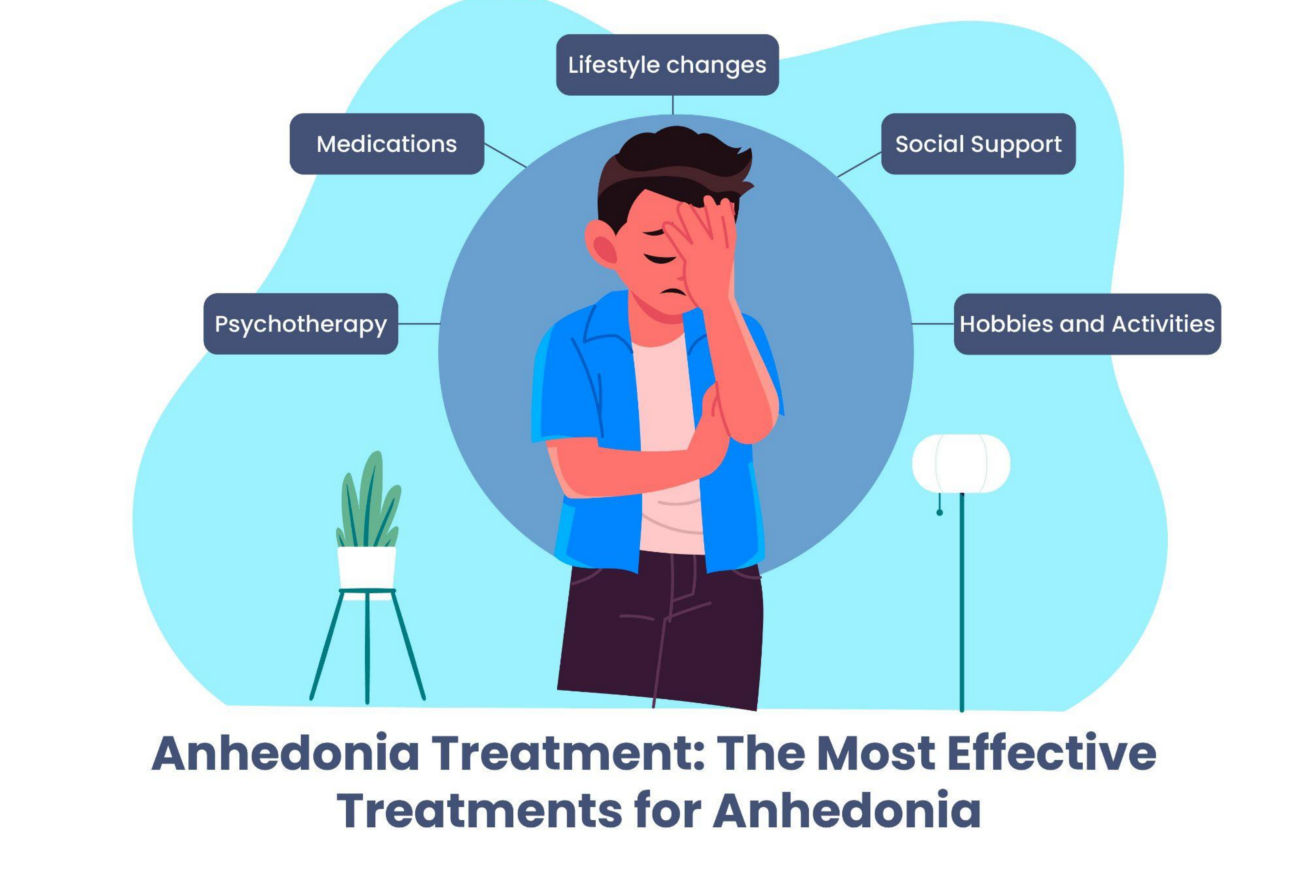
There are moments in life when we all feel a little low or disconnected. But imagine waking up every day unable to feel joy, excitement, or even comfort in things that once made you happy. A favourite song sounds flat, a friend's laughter feels distant, and even achievements bring no satisfaction. That numbness, that emptiness, has a name: anhedonia.
It's not just sadness. It's a profound emotional shutdown that makes everyday life feel meaningless. And that’s why understanding and seeking the right anhedonia treatment can change lives.
Understanding What Anhedonia Really Is
Anhedonia is more than just “losing interest”; it's a condition that interferes with your ability to experience pleasure or connection. It can appear in two main forms:
Physical anhedonia, where you lose interest in sensory experiences like food, touch, or music.
Social anhedonia, where connecting with others feels draining or pointless.
While anhedonia is often linked to depression, it can also appear in anxiety, trauma, bipolar disorder, schizophrenia, and even after chronic stress or burnout. It’s not about weakness or lack of willpower; it’s about changes in how the brain processes reward and motivation.
What Causes Anhedonia?
Science links anhedonia to imbalances in brain chemicals like dopamine and serotonin, which control motivation and reward. Stress, trauma, or prolonged emotional strain can dull these pathways, leading to emotional flatness. Certain medical conditions and medications can also contribute.
But the good news is, no matter the cause, targeted anhedonia treatment can help the brain relearn how to respond to pleasure and emotional engagement.
Is Anhedonia Curable?
This is one of the most common questions people ask: “Is anhedonia curable?” The answer depends on each person’s situation, but recovery is absolutely possible.
With the right combination of therapy, medication, and lifestyle support, many people notice major improvements. They begin to feel again small joys, emotional warmth, and connection. It might take time, but progress happens. In most cases, anhedonia isn’t a lifelong condition; it’s a temporary disconnection that can be healed with the right care and persistence.
What Are the Effective Anhedonia Treatments?
There is no one-size-fits-all approach, but modern anhedonia treatment combines evidence-based therapies and holistic methods that focus on both the mind and body.
1. Psychotherapy
Therapy remains the cornerstone of healing.
Cognitive Behavioural Therapy (CBT) helps people challenge negative thinking and re-engage in activities that used to bring joy. Behavioural Activation encourages small, meaningful actions that slowly reignite interest and pleasure. Mindfulness and Acceptance Therapies teach people to observe emotions without judgment and build present-moment awareness.
A compassionate therapist helps rebuild your connection with yourself, not by forcing happiness, but by creating a safe space for feelings to return naturally.
2. Medication
If anhedonia is linked to depression, anxiety, or other psychiatric conditions, antidepressants or mood stabilizers may be prescribed. These medications help regulate brain chemicals and make therapy more effective. However, they must always be guided by a qualified psychiatrist.
3. Lifestyle Interventions
Healing from anhedonia involves daily choices that nourish the brain’s reward system. Regular exercise, balanced nutrition, exposure to sunlight, and good sleep improve dopamine levels.
Even small acts like journaling, spending time outdoors, and practicing gratitude can gradually rebuild emotional sensitivity.
4. Advanced Treatments
In severe or resistant cases, advanced treatments like Transcranial Magnetic Stimulation (TMS) or Ketamine Therapy have shown promising results. They target specific brain areas responsible for mood and motivation, helping patients feel better when traditional methods haven’t worked.
When Should You Seek Help?
If you’ve lost interest in activities you once enjoyed, struggle to connect emotionally, or feel emotionally “numb” most days, it’s time to reach out. Talking to a professional can help you understand what’s happening and plan recovery steps.
Look for mental health treatment near you. whether through a clinic, hospital, or online therapy platform. Seeking help doesn’t mean something is wrong with you; it means you’re choosing to heal.
Finding the Right Therapist
Choosing the right therapist and top mental health support in India can make all the difference. A skilled professional will listen without judgment, help you set goals, and support you throughout your recovery. In cities across India, including Mumbai, Bangalore, Pune, Delhi, and Kolkata, organizations like Mpower offer access to trained psychologists and psychiatrists who specialize in treating anhedonia and related emotional concerns.
Life After Anhedonia
Recovery from anhedonia isn’t about snapping your fingers and suddenly feeling joy. It’s gradual. The first laugh after months of silence. The first sunrise that feels beautiful again. The first time you look forward to meeting someone. Healing means rediscovering those moments step by step, session by session. With every small win, your emotional world expands again.
The Hope Beyond Numbness
If you’re reading this and see yourself in these words, know this: you’re not alone. Many have walked this path and found their way back to feeling again. Healing doesn’t mean going back to who you were; it means becoming a stronger, more aware version of yourself.
Anhedonia may feel isolating, but it’s treatable. Whether you start with therapy, medication, or simple lifestyle shifts, every step counts. Reach out for help, even if you’re unsure. Professional support can help you reconnect with your emotions and rediscover the joy that once felt lost.
So, is anhedonia curable? For many, yes, with the right blend of therapy, medical support, and self-care. The earlier you seek help, the better your chances of recovery.
Start by talking to a professional, visiting a clinic, or searching for mental health treatment near you. Don’t wait for motivation to return on its own; healing begins the moment you decide to take that first step.
image credit : freepik

Top 40 Psychological Drama TV Shows & Psychological TV Series
How to Control Anger Issues in 5 minutes | Your Anger Management Toolkit