


What Is Anhedonia? All You Need to Know about Anhedonia
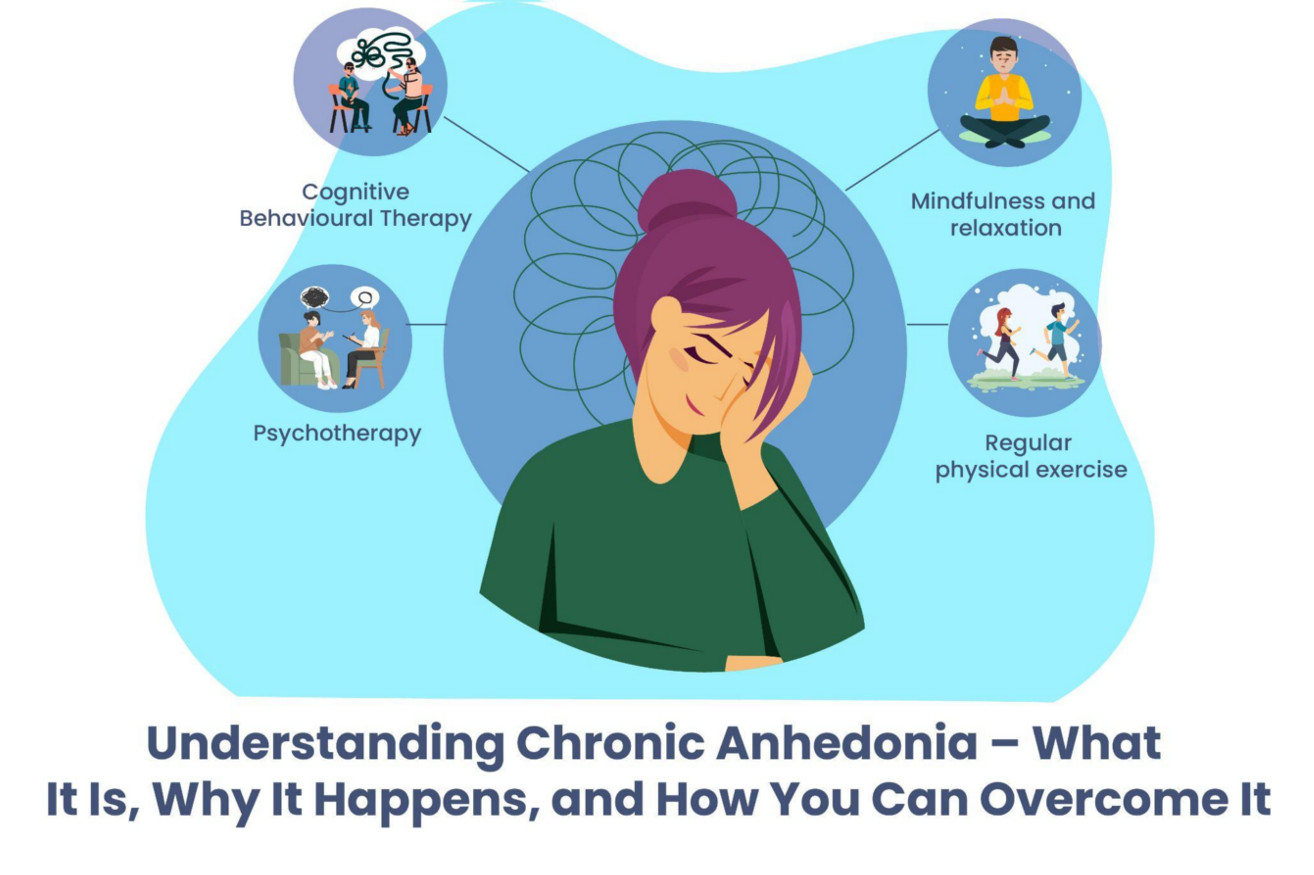
Anhedonia is incapability to experience pleasure or interest in conditions that were formerly pleasurable. It affects emotional, social, and indeed physical aspects of everyday life. You may find that your favorite pursuits, foods, or people no longer spark joy or provocation. It's one of the core symptoms of depression, but it can also appear in anxiety issues, post-traumatic stress Disorders (PTSD), schizophrenia, and other mood-related conditions.
There are two main types of anhedonia -
1. Social Anhedonia:
A reduced interest in social relations or feeling emotionally detached from others.
2. Physical (sensory) Anhedonia:
A lack of pleasure from physical experience, similar to eating, touching, or listening to music. Anhedonia doesn't mean you've lost your feelings fully; it means your brain's capability to register or respond to positive stimuli has been temporarily disrupted.
What are The Symptoms of Anhedonia? Let's Understand
Relating early anhedonia symptoms can help you or someone you watch seek timely intervention. Common signs include:
- Feeling emotionally flat or numb
- Loss of interest in pursuits, connections, or work
- Avoiding social contact or segregating yourself
- Lack of provocation or enthusiasm
- Difficulty enjoying food, music, or conditioning
- Reduced capability to express feelings
- Fatigue, low energy, or internal fog
- Feeling disconnected from life or from oneself
It is important to consider reaching out for mental health care if you notice these symptoms persisting for further than two weeks. Early support can significantly improve recovery issues.
What Are The Causes of Anhedonia?
There isn't one single reason why anhedonia develops. It generally arises from a combination of natural, cerebral, and environmental factors. Let's look at the most common anhedonia causes.
1. Changes in Brain Chemistry
The brain's reward system relies on chemicals like dopamine and serotonin to produce feelings of pleasure and provocation. When these neurotransmitters come imbalanced due to stress, trauma, or certain ailments, the brain struggles to register joy.
2. Depression and Anxiety
Major depressive disorder is the most frequent condition linked to anhedonia. Habitual anxiety can also keep the brain in a constant 'trouble mode', reducing its capacity to witness pleasure.
3. Trauma or Emotional burnout
Emotional trauma, loss, or dragged stress can beget emotional arrestment. The mind protects itself from pain by dulling all feelings - both positive and negative.
4. Drug or Substance Use
Certain drugs(like some antidepressants or antipsychotics) and substance use can temporarily dull the emotional response system.
5. Life Factors
Poor sleep, lack of social connection, and habitual stress can each contribute to emotional blunting and fatigue, worsening anhedonia symptoms.
Understanding the underlying cause helps professionals produce a tailored recovery plan, one that treats not just the symptom but the whole person.
How to Recover from Anhedonia? Step-by-Step Guidance:
As a psychologist, I emphasize that recovery from anhedonia isn't about 'forcing happiness'. It's a gradual process of retraining your brain to reconnect with joy, purpose, and meaning. That's how to start, step by step.
Step 1: Acknowledge and Accept
The first and most important step is admitting what you're passing. Numerous people condemn themselves for not feeling enough, but anhedonia is a biopsychological symptom, not a personality excrescence. Self-compassion opens the door to healing; it helps you shift from self-criticism to curiosity and care.
Step 2: Seek Professional Mental Health Care
However, it's time to reach out for internal health treatment near you if symptoms persist. An experienced psychologist or psychiatrist can assess whether anhedonia is part of depression, trauma response, or another condition.
The Treatment Approaches May Include
1. Cognitive Behavioral therapy ( CBT) - helps to identify negative thought patterns that contribute to disconnection.
2. Mindfulness-based activities - These help you reconnect with sensitive experiences in the present moment.
3. Medications - When necessary, antidepressants or specific medications that support dopamine functioning may be specified. The drug alone isn't a cure, but it can give the chemical balance demanded to engage in the remedy more effectively.
4. Holistic Care - Exercise, sleep hygiene, and nutritional support play a vital part in restoring emotional energy.
Yet, a simple online hunt for 'mental health treatment near me' can connect you with therapists, comforting centers, if you're doubtful about where to start.
Step 3: Introduce Small Joys Gradually -
Pleasure frequently returns in bitsy, gradational swells - not all at once. Start by engaging in small activities you used to enjoy, even if they don't feel satisfying yet.
For Example:
- Take a short walk in nature
- Hear your favorite song
- Journal one positive moment each day
- Try aware breathing for five twinkles /ul>
Your brain needs harmonious monuments where pleasure still exists, and with repetition, it begins to respond again.
Step 4 Structure Your Routine
A predictable diurnal structure helps reduce the feeling of pretension that frequently accompanies anhedonia. produce gentle routines, not rigid schedules that balance rest, nutrition, physical exertion, and social commerce. Completing small tasks, like 'making breakfast' or 'soddening shops', can give a sense of control and accomplishment.
Step 5 Reconnect with People
Social insulation intensifies anhedonia. While socializing may feel draining at first, mortal connection is one of the most important tools for emotional mending. Start with one trusted person: a friend, family member, or therapist. Simple exchanges or participating silence can reignite the brain's social price pathways.
Step 6 Practice Mindfulness and Self-Compassion
Awareness exercises help you tune back into your senses: the smell of coffee, the warmth of the sun, the sound of music. Brace this with tone compassion, reminding yourself that recovery isn't direct. Feeling a 'numb' moment doesn't mean you'll always feel this way.
When to Seek Immediate Support
Still, please seek immediate professional help if anhedonia is accompanied by passions of forlornness or studies of tone- detriment. Reach out to a trusted person, call your original internal health helpline, or go to the nearest emergency center. You aren't alone, and help is always available.
Final studies: Healing Is Possible
Recovering from anhedonia takes tolerance and courage. The thing isn't to feel happy all the time but to reconnect with life's subtle moments of meaning. With professional guidance, social support, and tone care, it's absolutely possible to rediscover joy and vitality.
However, consider reaching out for internal health treatment near you if you or someone you know is floundering with anhedonia or affiliated symptoms. The first step - asking for help is frequently the hardest, but it's also the first step of a stopgap.
image credit : freepik

Exercise for Mental Health: Programs for Students, Seniors, and Busy Professionals
7 Myths About Exercise and Mental Health - Busted